
Plant Nursery Near You: Expert Guide to Finding Quality
- Uncategorized
- Jan 04
- Share post
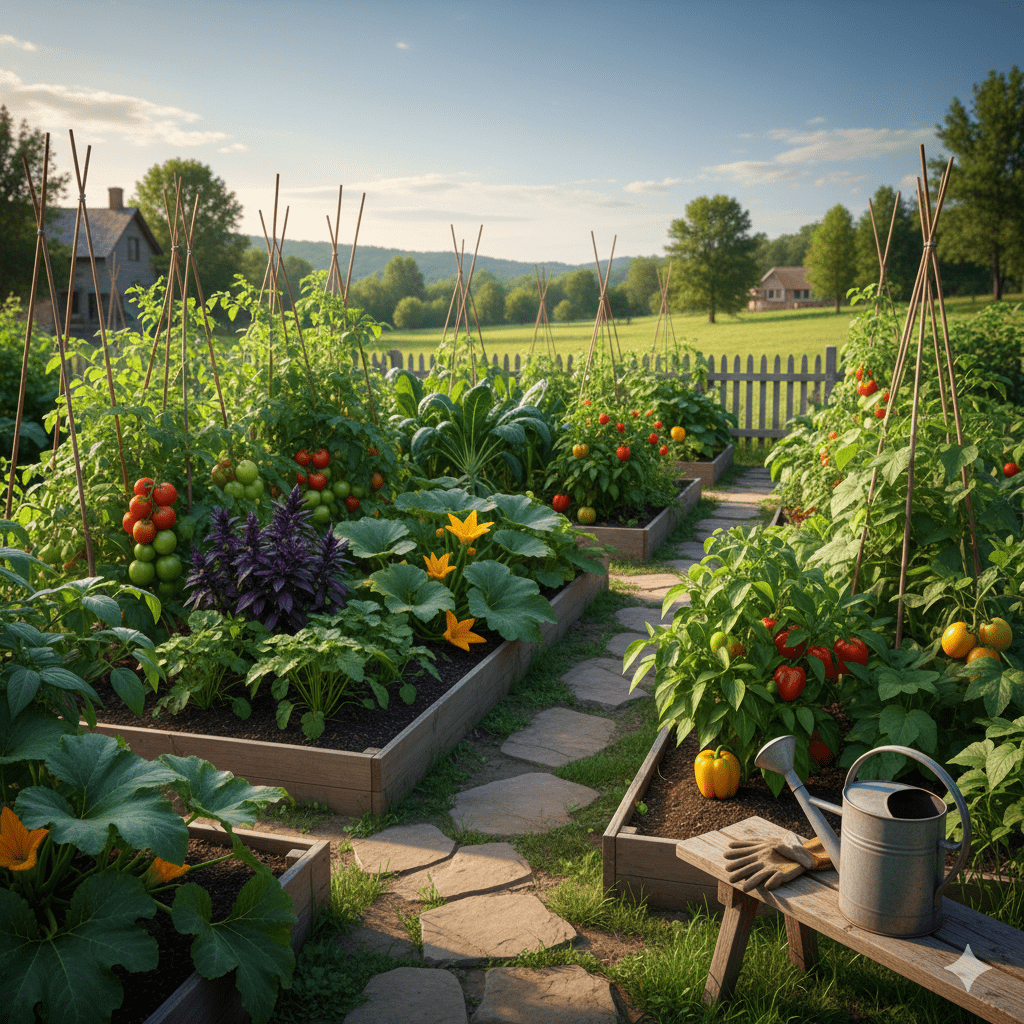
Walking into the right plant nursery near you transforms your gardening experience from frustrating guesswork into confident success. The difference between thriving plants and disappointing failures often comes down to where you shop and what you look for when selecting specimens.
Whether you’re a first-time gardener buying vegetable seedlings or an experienced plant enthusiast hunting for rare perennials, finding a quality plant nursery near you requires knowing what separates exceptional facilities from mediocre ones. The nursery you choose affects everything from plant health to the expert guidance you receive.
In this comprehensive guide, you’ll discover exactly how to evaluate nurseries in your area, recognize healthy plants worth buying, and build relationships with garden centers that support your long-term success. Let’s help you find the perfect plant nursery near you.
Why Choosing the Right Plant Nursery Near You Matters
Not every nursery provides equal value. The facility you select impacts your garden’s success more than most gardeners realize.
Quality nurseries invest in plant health from the moment seedlings arrive until they leave with customers. Professional staff monitor watering schedules, adjust light exposure, treat pest issues immediately, and rotate inventory regularly. These practices ensure you’re buying vigorous specimens ready to thrive in your garden.
Expert knowledge separates great nurseries from simple plant retailers. According to horticultural research from university extension programs, knowledgeable staff who understand local growing conditions significantly improve customer success rates. They recommend varieties suited to your specific soil type, sun exposure, and climate zone rather than simply directing you toward bestselling plants.
Local selection matters tremendously. Plants grown regionally adapt more easily to your conditions compared to specimens shipped from distant climates. When you find a plant nursery near you that sources from local growers, you’re getting plants already acclimated to your weather patterns and soil characteristics.
The time you invest in finding the right nursery pays dividends season after season through healthier plants, better guidance, and fewer costly mistakes.
Types of Plant Nurseries You’ll Find Near You
Understanding different nursery models helps you choose the right facility for specific needs.
Independent Local Garden Centers
Independent nurseries typically offer the most personalized service and specialized knowledge. Owner-operated businesses employ staff passionate about plants who’ve often spent years mastering local horticulture.
These facilities usually source from regional growers or propagate their own plants, ensuring specimens arrive already adapted to your area’s conditions. Staff at local nurseries know which tomato varieties resist regional diseases, when to plant native wildflowers, and exactly how your soil type affects plant care.
Many independent operations also provide additional services like landscape consultations, delivery, and educational workshops that build strong gardening communities.
Specialty Plant Nurseries
Specialty nurseries focus on specific plant categories—succulents, roses, native plants, fruit trees, or tropicals. If you’re passionate about particular plant types or need expert-level guidance, these focused operations offer unmatched depth.
A specialty succulent nursery might stock 200 varieties compared to the 15 found at general garden centers. Staff discuss each species’ care requirements in detail, recommend combinations, and source rare cultivars that serious collectors seek.
Big Box Garden Centers
Large retailers provide convenience and competitive pricing on common plants and supplies. They stock essential garden materials, tools, and seasonal basics suitable for budget-conscious gardeners or those needing quick access to standard varieties.
However, these operations may lack specialized knowledge and sometimes struggle with plant care during slower seasons. They work best for experienced gardeners who know exactly what they need.
Key Factors for Evaluating Any Plant Nursery Near You
Assessing Plant Health and Quality
Walk through any nursery carefully observing what you see. Healthy plants display vigorous growth, vibrant foliage, and well-developed root systems visible through drainage holes. Gardening experts emphasize checking leaves for consistent coloring—avoid plants with yellowing, brown spots, or insect damage.
Examine soil moisture consistently across the facility. Plants sitting in waterlogged containers or bone-dry soil indicate inadequate care practices. Quality nurseries maintain optimal moisture levels and rotate inventory regularly.
Inspect for common pests like aphids, spider mites, or scale insects. Even one infested plant in your purchase can spread problems throughout your entire garden. Reputable facilities quarantine new arrivals and treat issues before plants reach sales floors.
Evaluating Staff Knowledge
Your first conversation reveals volumes about staff expertise. Ask specific questions about growing conditions, pest management, or variety selection. Expert staff provide detailed answers drawn from personal experience rather than simply reading plant tags.
Quality nurseries encourage questions and take time understanding your specific situation—sun exposure, soil type, watering capabilities, and preferences. They recommend plants suited to your conditions rather than steering you toward their most profitable inventory.
Watch how staff interact with plants during your visit. Can they identify specimens without checking tags? Do they handle plants carefully? These observations indicate genuine horticultural knowledge.
Examining Selection and Inventory
A good plant nursery near you should stock diverse selections including annuals, perennials, natives, edibles, and specialty plants. The best nurseries balance popular favorites with unique selections that inspire creativity.
Seasonal inventory rotation demonstrates professional management. Spring brings vegetable seedlings and cool-season annuals, while summer features heat-loving varieties. This rotation ensures you’re buying plants at optimal planting times.
Look for native plant selections specifically adapted to your region. According to the USDA Natural Resources Conservation Service, native species typically require less water, resist local pests better, and support native pollinators that benefit entire garden ecosystems.
Considering Pricing and Value
Compare prices across several facilities, but don’t let cost alone drive decisions. Higher prices often reflect superior plant quality, better growing conditions, and more developed root systems that establish faster in gardens.
Calculate the true cost of purchases. A $15 perennial from a quality nursery that thrives for years offers better value than three $5 plants from discount retailers that die within weeks. Factor in your time, additional amendments, and replacement costs when evaluating price.
Many independent nurseries offer loyalty programs, seasonal sales, and volume discounts making regular shopping more affordable.
How to Research Plant Nurseries Before Visiting
Using Online Directories and Review Platforms
Start your search with specialized directories like Rooted Index that compile comprehensive nursery information in convenient locations. These platforms provide detailed listings including product selections, services offered, specialty areas, and authentic customer reviews.
Online reviews offer valuable insights into actual customer experiences. Look for patterns in feedback rather than focusing on individual comments. Multiple mentions of knowledgeable staff, healthy plants, or helpful service indicate consistent quality.
Check claimed specialties against reviewer feedback. If a nursery advertises native plant expertise but reviews mention limited selection or uninformed staff, that disconnect reveals important information.
Evaluating Websites and Social Media Presence
Quality nurseries maintain updated websites with current inventory information, care guides, event calendars, and educational resources demonstrating commitment to customer success.
Social media accounts showing regular posts about new arrivals, growing tips, and garden inspiration indicate active community engagement. Look for nurseries responding to customer questions and sharing valuable content beyond simple product promotion.
Photo galleries help you assess plant quality and facility appearance before visiting. Well-maintained displays and healthy-looking specimens in photos typically reflect actual shopping experiences.
Reading Reviews Critically
Approach online reviews thoughtfully. One negative review among dozens of positive ones might reflect an isolated incident or unrealistic expectations. However, repeated complaints about specific issues—rude staff, diseased plants, or deceptive practices—warrant serious consideration.
Pay attention to how nurseries respond to negative feedback. Professional responses addressing concerns demonstrate commitment to service, while defensive replies suggest problematic management.
Recent reviews matter more than older ones. A nursery that struggled years ago might have new ownership or management that dramatically improved operations.
Questions to Ask at Any Plant Nursery Near You
About Plant Selection and Care
Come prepared with specific questions about plants you’re considering. Ask where they source inventory—locally grown plants often adapt better to your conditions than specimens shipped from distant commercial operations.
Inquire about guarantees or plant warranties. Quality nurseries stand behind their products and often replace plants that fail within reasonable timeframes, provided you followed care instructions.
Request care recommendations specific to your property conditions. The same rose variety requires different care in full sun versus partial shade, or clay soil versus sandy loam. Expert staff tailor advice to your unique situation.
About Services and Expertise
Ask what additional services the nursery provides. Landscape design consultations, delivery options, and educational workshops add value beyond simple plant purchases. Their availability indicates full-service operations.
Inquire about organic and sustainable gardening options if that aligns with your values. Knowledgeable responses about integrated pest management, organic fertilizers, and native plant benefits indicate depth of expertise.
About Seasonal Availability
Understand the nursery’s seasonal inventory patterns. When do vegetable seedlings arrive in spring? What’s the best time for fall-planted bulbs? This information helps you plan shopping trips for optimal selection.
Ask about pre-ordering options for specific varieties. Many nurseries allow advance orders for harder-to-find plants or large quantities, ensuring you get exactly what you need.
Red Flags When Visiting Plant Nurseries
Signs of Poor Plant Care
Walk away from nurseries with consistently unhealthy plants. Yellow leaves, wilted specimens, or visible pest infestations throughout facilities indicate inadequate care standards. Purchasing from these sources brings problems into your garden.
Overcrowded displays where plants compete for light and resources suggest poor inventory management. Research published in horticultural journals shows that root-bound plants in undersized containers suffer stress and establish slowly after transplanting.
Mislabeled or unlabeled plants create frustration. Without accurate identification, you can’t properly care for purchases or verify you received correct varieties.
Questionable Business Practices
Be cautious of nurseries pushing specific products without considering your needs. Aggressive sales tactics ignoring stated preferences or budget limitations indicate profit-focused operations rather than customer-centric service.
Unclear or complicated pricing raises concerns. Hidden fees, unexpected charges, or reluctance providing straightforward pricing information suggests potential problems.
Making the Most of Your Plant Nursery Visit
Timing Your Shopping Trips
Visit nurseries early in the day, particularly during busy weekends, for best selection and more attentive staff service. Early morning shopping also means fresher-looking plants that haven’t spent hours in hot afternoon sun.
Shop mid-week when possible for quieter, more relaxed experiences. Nursery staff have more time for detailed conversations and personalized recommendations during slower periods.
Time visits seasonally for optimal plant health and selection. Spring and fall represent peak planting seasons with largest variety and freshest inventory.
Building Relationships with Staff
Return consistently to the same facility and develop relationships with staff members. Regular customers often receive advance notice about new arrivals, special orders for specific varieties, and personalized service enhancing shopping experiences.
Share feedback about how previous purchases performed in your garden. This information helps staff make better recommendations for future purchases.
Shopping Sustainably
Bring your own boxes or reusable bags for small purchases. Many nurseries charge for containers, and reducing plastic use benefits the environment.
Start small with new-to-you varieties. Purchase one or two specimens to test how they perform in your specific conditions before committing to large quantities.
Consider buying smaller, younger plants that cost less and establish more quickly than larger specimens. According to research from university extension programs, a one-gallon perennial often outperforms a three-gallon plant of the same variety within a single growing season.
Finding Specialized Plant Nurseries in Your Area
Native Plant Specialists
Native plant nurseries provide regionally appropriate species supporting local ecosystems and requiring minimal maintenance once established. Staff at these specialized operations understand habitat requirements, wildlife benefits, and natural plant communities.
These nurseries often participate in conservation efforts, sometimes propagating rare or threatened species. Your purchases support both your garden and broader environmental restoration initiatives.
Vegetable and Herb Nurseries
Nurseries specializing in edibles understand crucial timing for vegetable planting and stock varieties proven successful in your growing zone. They offer heirloom varieties rarely found in chain stores and provide specific advice about succession planting strategies.
Look for nurseries growing their own vegetable starts rather than reselling commercially produced seedlings. Locally grown starts typically establish better and show resistance to common regional diseases.
Rare and Collector Plant Sources
Collectors seeking unusual specimens need nurseries with adventurous inventories. Specialty operations focusing on succulents, orchids, roses, or tropical plants stock varieties impossible to find elsewhere.
Join specialty plant societies or online communities to discover nurseries dealing in your plants of interest. Fellow enthusiasts share recommendations for reliable sources of rare varieties.
Using Technology to Find the Best Plant Nursery Near You
Online tools transform nursery hunting from hit-or-miss into strategic searching. Rooted Index and similar platforms compile comprehensive nursery directories, allowing you to filter by location, specialties, services offered, and customer ratings.
Map-based search functions help you discover nurseries you didn’t know existed. That excellent native plant specialist might be just ten minutes farther than your usual stop but offer exactly what your garden needs.
Mobile apps and websites let you research while shopping. Quickly compare prices, verify plant information, and read recent reviews to make informed decisions on the spot.
Set up alerts for new nursery openings or special events in your area. The gardening landscape constantly evolves, and staying informed ensures you don’t miss exciting new resources.
Frequently Asked Questions
How do I know if plants at a nursery are healthy?
Look for vibrant foliage color, firm stems, and well-developed roots visible through drainage holes. Avoid plants with yellowing leaves, brown spots, visible pests, or extremely dry or waterlogged soil. Healthy plants show active growth appropriate to their type and the current season.
Should I buy from local or chain nurseries?
Both serve different purposes. Local nurseries typically offer superior expertise, regionally adapted plants, and personalized service. Chain stores provide convenience and competitive pricing on common varieties. Many successful gardeners use both strategically based on specific needs.
What’s the best season to visit nurseries?
Spring and fall offer the largest selections and healthiest plants during optimal planting seasons. However, visit throughout the year to catch seasonal specialties. Summer features heat-tolerant plants, while winter showcases houseplants and early spring bulbs.
Do nurseries guarantee their plants?
Many quality nurseries guarantee plants for 30-90 days, provided you follow care instructions and plant during appropriate seasons. Always ask about warranty policies before purchasing and keep your receipt. Chain stores often have more lenient return policies than independent nurseries.
How much should I expect to spend?
Prices vary significantly by plant type and size. Budget $5-15 for annual flowers, $10-30 for perennials, $25-75 for shrubs, and $50-300+ for trees. Quality nurseries charge fair prices reflecting plant health and growing conditions.
Conclusion: Your Perfect Plant Nursery Awaits
Finding the best plant nursery near you transforms your gardening journey from frustrating to fulfilling. The right nursery becomes more than a shopping destination—it evolves into your trusted resource for healthy plants, expert guidance, and ongoing inspiration.
Remember that the ideal plant nursery near you depends on your specific needs. A collector seeking rare succulents needs something different than a beginning vegetable gardener. Some gardeners thrive with one trusted local facility, while others cultivate relationships with multiple specialists.
Start your search today using the criteria outlined in this guide. Visit several options, ask thoughtful questions, and pay attention to plant health and staff knowledge. Trust your instincts—you’ll recognize quality when you see it.
Ready to discover exceptional nurseries in your area? Visit Rooted Index to explore comprehensive listings, read authentic reviews, and find nurseries offering exactly what your garden needs. Your perfect plant nursery near you is waiting to help your garden flourish.
