
Your Essential Spring Planting Guide: Why Local Nurseries are Your Best Resource
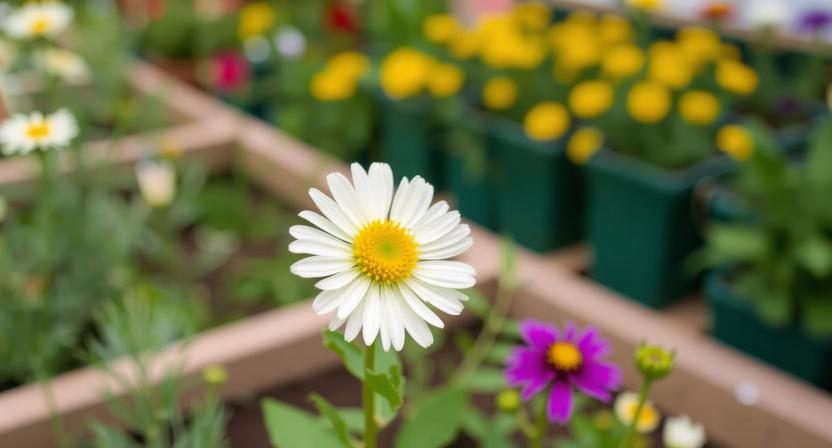
Your Essential Spring Planting Guide: Why Local Nurseries are Your Best Resource
As the earth awakens from its winter slumber and the promise of longer, warmer days fills the air, early spring ignites the passion for gardening in many of us. This season of renewal is the perfect time to plan and plant for a bountiful harvest and vibrant blooms. To truly maximize your success, having a reliable spring planting guide local nursery experts can provide is invaluable. Forget the one-size-fits-all approach of big box stores; your local nurseries offer unparalleled regional expertise, diverse plant selections, and a community connection that is essential for a thriving garden.
Why “Local” Matters for Your Spring Planting Success
When it comes to nurturing new life in your garden, the source of your plants and advice makes a significant difference. Local nurseries are deeply rooted in the community, providing advantages that extend far beyond simply selling plants. Their commitment to local conditions and customer success translates directly into a healthier, more productive garden for you.
Expert Advice Tailored to Your Region
One of the most compelling reasons to consult your spring planting guide local nursery staff is their in-depth knowledge of your specific microclimate. They understand the nuances of local soil composition, average frost dates, prevailing weather patterns, and common pests unique to your area. This specialized expertise is critical for selecting plants that will not only survive but truly thrive in your backyard. They can offer personalized recommendations on plant varieties, appropriate planting times, and effective care strategies that are perfectly adapted to your local environment.
Healthier, Acclimated Plants
Plants purchased from local nurseries are often grown locally or sourced from nearby regional growers. This means they are already acclimated to the local climate, reducing the shock and stress plants experience when transplanted. Unlike plants shipped long distances, locally sourced specimens are less likely to suffer from transport damage and are typically healthier, with robust root systems ready to establish themselves in your garden. This strong start significantly increases your chances of gardening success, ensuring your spring efforts yield beautiful results.
Unique Selection and Native Plant Focus
Local nurseries typically offer a broader, more interesting, and often unique selection of plants, including heirloom varieties, specialty cultivars, and a strong emphasis on native plants. Native plants are crucial for supporting local ecosystems, providing food and habitat for pollinators, birds, and other beneficial wildlife, as highlighted by resources like the National Wildlife Federation. Your local nursery is the best place to discover these eco-friendly options, which are naturally adapted to your environment and require less water and maintenance.
What to Plant Now: Your Early Spring Planting Guide
Early spring brings a wealth of opportunities for planting. This is the time to get a head start on cool-season crops and introduce vibrant flowers that will carry your garden through the season.
Cool-Season Vegetables for Early Harvests
Many popular vegetables thrive in the cooler temperatures of early spring. Consider planting leafy greens like lettuce, spinach, kale, and Swiss chard, which can be harvested repeatedly. Root vegetables such as radishes, carrots, and beets are also excellent choices for direct sowing in prepared beds. Peas and broccoli, started from seedlings or seeds, will produce delicious yields before the intense summer heat arrives. Your spring planting guide local nursery can help you determine the exact timing for these crops based on your region’s last average frost date.
Vibrant Spring Flowers for Instant Color
To brighten your garden and welcome pollinators, early-blooming annuals and perennials are a must. Pansies, violas, and primroses are cold-tolerant and offer immediate splashes of color in beds, containers, and hanging baskets. For more long-term beauty, consider planting early-blooming perennials like Hellebores, Bleeding Hearts, or certain varieties of Iris. Your local nursery will have a diverse selection of these resilient beauties, often with advice on how to extend their bloom time.
Essential Herbs for Flavor and Fragrance
Herbs are incredibly versatile and easy to grow, whether in garden beds or pots. Parsley, cilantro, dill, chives, and mint are all excellent choices for spring planting. Many of these herbs also attract beneficial insects to your garden, aiding in natural pest control and boosting the health of surrounding plants. Starting with small herb plants from your local nursery can provide you with fresh culinary ingredients throughout the season.
Integrating Native Plants for an Eco-Friendly Garden
As part of your spring planting guide local nursery visit, make sure to explore their native plant section. Incorporating native wildflowers, shrubs, and even trees can transform your garden into a biodiverse haven. These plants often require less supplemental watering, fertilizer, and pest intervention once established, making them a sustainable and low-maintenance choice. They provide critical food and shelter for local wildlife, contributing to the ecological health of your area.
Tips for Buying Healthy Plants at Your Local Nursery
Once you’ve decided what to plant, knowing how to choose the healthiest specimens is key. Your local nursery staff can assist, but these tips will empower your decision-making.
Intro sentence for the list.
- Inspect Foliage Carefully: Look for vibrant, green leaves without yellowing, brown spots, or holes. Avoid plants with wilting or damaged foliage, as these can be signs of stress or disease.
- Check for Pests: Gently lift leaves and inspect stems for any signs of insects like aphids, spider mites, or whiteflies. A clean plant indicates good nursery practices.
- Examine the Root System: If possible, gently slide the plant out of its pot. Roots should be light-colored and fill the pot without being excessively circling (pot-bound) or mushy, which could indicate overwatering or disease.
- Ask Staff for Specific Care: Don’t hesitate to ask nursery staff about the ideal soil, watering needs, and sun exposure for each plant you choose. Their personalized advice is a major benefit of shopping locally.
- Ensure Proper Hardiness: Confirm that the plant is suitable for your USDA Hardiness Zone, which your local nursery will know intimately.
Getting Your Garden Ready: More Spring Care Tips
While planting is exciting, a few preparatory steps will ensure your new additions thrive.
Intro sentence for the list.
- Prepare Your Soil: Amend your garden beds with plenty of organic matter like compost or aged manure. This improves soil structure, drainage, and nutrient availability, setting a strong foundation. You can find quality soil amendments at your local nursery.
- Clear Winter Debris: Remove any lingering leaves, dead plant material, and early weeds from your garden beds. A clean slate prevents disease and allows new growth to emerge unimpeded.
- Prune Dormant Plants: Early spring is an ideal time to prune many dormant trees and shrubs to remove dead or damaged branches and shape the plant for healthy new growth. Consult your nursery or a local arborist if unsure.
- Water Wisely: After planting, water deeply and consistently, especially for new transplants. Avoid shallow watering, which encourages weak roots. Your local nursery can advise on the best watering practices for your climate.
Frequently Asked Questions
What is my USDA Hardiness Zone and why is it important for spring planting?
Your USDA Hardiness Zone tells you which plants are most likely to survive winter in your area. Knowing your zone is crucial for selecting plants that can withstand your local climate, making your spring planting efforts more successful. Your local nursery staff can easily tell you your zone.
Should I start seeds indoors or buy plant starts from a nursery?
Both methods have merits. Starting seeds indoors gives you more variety and is cost-effective, but requires setup. Buying plant starts from a local nursery offers a head start, healthier young plants already acclimated to your region, and expert advice, making it ideal for many spring gardeners.
How often should I fertilize my spring garden?
This depends on your soil test results and the specific needs of your plants. Generally, amending your soil with compost provides a slow release of nutrients. If additional feeding is needed, your local nursery can recommend organic fertilizers and an appropriate schedule for your spring plantings.
Grow with Confidence: Your Local Nursery Awaits This Spring
This spring, make your gardening aspirations a reality by tapping into the incredible resources available in your community. Following a targeted spring planting guide local nursery experts can provide ensures you choose the right plants for your region, receive personalized advice, and contribute to a healthier local economy. Embrace the season of new beginnings and watch your garden flourish with the support of your local horticultural treasures.
Ready to find the perfect plants and expert advice for your garden? Discover trusted local plant nurseries, garden centers, and landscaping services by searching the RootedIndex directory. Start planting with confidence and local pride this spring!