
Spring Garden Ready: Your Guide to What to Plant Now from Local Nurseries
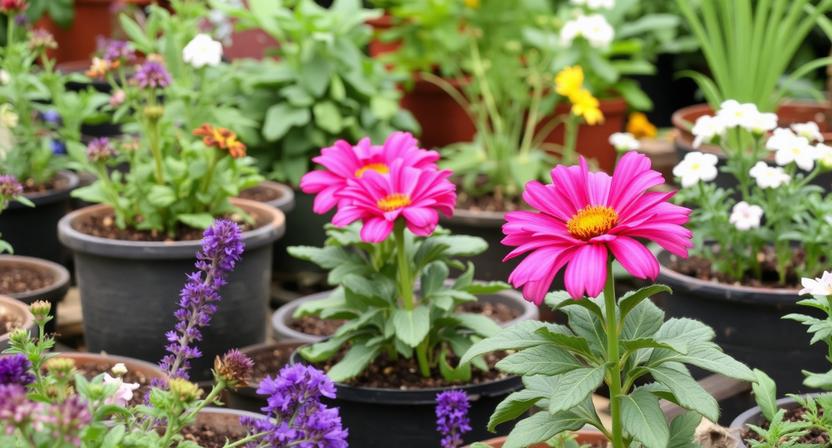
Spring Garden Ready: Your Guide to What to Plant Now from Local Nurseries
As the chill of winter finally recedes and early spring brings with it the promise of sunshine and growth, gardeners across North America eagerly anticipate getting their hands in the soil. This season of renewal is the ideal time to bring your garden dreams to life, whether you’re planning a bountiful vegetable patch or a riot of colorful blooms. If you’re wondering “what to plant now local nurseries spring season has to offer,” you’re in the right place. This guide will walk you through the best planting choices and explain why your local nursery is an indispensable resource for cultivating a thriving, beautiful garden.
Why Your Local Nursery is Your Go-To for Spring Planting Advice
Choosing where to buy your plants and get your gardening advice is a crucial first step. While large chain stores might offer convenience, local plant nurseries provide a level of expertise, quality, and community support that is unmatched. They are truly the foundation of successful spring gardening.
Region-Specific Expertise for Your Garden
One of the biggest advantages of relying on your local nursery is access to their unparalleled regional knowledge. The staff aren’t just selling plants; they are often local gardeners themselves, intimately familiar with your specific climate, soil conditions, and unique challenges like local pests or microclimates. This means when you ask “what to plant now local nurseries spring,” they can give you advice tailored precisely to your area, including ideal planting times, suitable varieties, and practical care tips that will significantly boost your success rate. This kind of nuanced guidance is simply unavailable from generic online sources or national retailers.
Healthier, Acclimated Plants for a Strong Start
Plants from local nurseries are typically grown regionally or sourced from nearby independent growers. This means they are already acclimated to your local environmental conditions, significantly reducing the transplant shock that plants endure when moved from a very different climate or a long-distance journey. You’ll find healthier, more robust plants with strong root systems that are ready to thrive in your garden from day one. This superior quality ensures your spring planting efforts result in vigorous growth and abundant beauty, reducing the risk of disease or failure common with stressed plants.
Unique Selection, Including Native Plants
Local nurseries often boast a more diverse and exciting inventory, featuring unique heirloom varieties, specialty cultivars, and a strong emphasis on native plants perfectly suited to your local ecosystem. These native plants are vital for supporting local wildlife, providing crucial food and habitat for pollinators like bees and butterflies, as advocated by organizations like the National Wildlife Federation. When you ask “what to plant now local nurseries spring,” they can guide you towards these eco-friendly options that require less water, fertilizer, and pest control once established, making your garden a low-maintenance, biodiverse haven.
What to Plant Now: Your Spring Planting Checklist
Early spring is a bustling time in the garden, with opportunities to plant a wide array of vegetables, flowers, and herbs. Here’s a breakdown of what you should be focusing on this season.
Cool-Season Vegetables: Get Ready for Early Harvests!
These vegetables thrive in the milder temperatures of spring and can often be planted a few weeks before your last average frost date.
- Leafy Greens: Lettuce, spinach, kale, Swiss chard, and arugula. Many can be harvested multiple times.
- Root Vegetables: Radishes, carrots, beets, and parsnips can be direct-sown in well-prepared soil.
- Cruciferous Crops: Broccoli, cabbage, and cauliflower starts are perfect for early spring planting.
- Legumes: Peas (shelling, snap, and snow) are excellent for direct sowing as soon as the soil can be worked.
Vibrant Spring Flowers: Add a Splash of Color
Bring instant cheer and beauty to your garden with these early-blooming flowers, perfect for beds, borders, and containers.
- Hardy Annuals: Pansies, violas, primroses, snapdragons, and calendula can tolerate cooler spring temperatures and provide continuous color.
- Early-Blooming Perennials: Hellebores, bleeding hearts, Lenten roses, and certain varieties of iris will return year after year, offering enduring beauty.
- Bulbs: If you didn’t plant them in fall, some spring-blooming bulbs might still be available as “forced” plants for immediate display. Your local nursery can advise on planting dormant bulbs for next year.
Fragrant Herbs: Fresh Flavors for Your Kitchen
Easy to grow and incredibly rewarding, herbs are a must for any spring garden.
- Cool-Season Herbs: Parsley, cilantro, dill, chives, and mint are excellent choices for early spring planting.
- Warmer-Season Herbs (Plant after last frost): As temperatures consistently rise, you can introduce basil, rosemary, thyme, and oregano.
Trees, Shrubs, and Native Plants: Long-Term Investments
Spring’s mild weather and moist soil create ideal conditions for planting larger woody specimens.
- Fruit Trees & Berries: Apple, cherry, peach trees, and blueberry, raspberry, and blackberry bushes establish well now.
- Ornamental Shrubs: Hydrangeas, azaleas, rhododendrons, and various flowering shrubs add structure and seasonal beauty.
- Native Plants: Essential for supporting local wildlife and thriving with minimal care. Your local nursery can recommend specific native trees, shrubs, and wildflowers that are perfect for your region. The Audubon Society offers a useful native plant finder tool to identify species for your zip code.
Tips for a Successful Spring Planting Trip to the Nursery
When you visit your local nurseries spring season, being prepared will ensure you make the best choices for your garden.
Intro sentence for the list.
- Know Your Garden’s Conditions: Come with information about your garden’s sun exposure (full sun, partial shade, full shade), soil type, and any specific challenges or goals you have.
- Inspect Plants Carefully: Look for vibrant, healthy foliage free of yellowing, brown spots, or pests. Gently check the roots – they should be firm and light-colored, not mushy or overly circling the pot.
- Ask for Personalized Advice: Don’t hesitate to engage with the nursery staff. They are a wealth of knowledge and can help you select the best varieties for your specific needs and local conditions.
- Check for Hardiness Zones: Confirm that the plants you choose are suitable for your USDA Hardiness Zone, which the nursery staff will be able to confirm.
- Bring a Sketch or Photos: If you’re working on a specific area, having a rough sketch or photos of your garden can help staff provide more targeted recommendations.
Frequently Asked Questions
When is my area’s last average frost date, and why is it important for spring planting?
Your last average frost date is the approximate day after which there’s a very low probability of frost in your specific location. It’s crucial because many tender plants (like tomatoes, peppers, and basil) are sensitive to cold and should only be planted outdoors after this date to prevent damage or death. Your local nursery or cooperative extension office can provide this specific date.
How do I improve my soil before planting new plants?
The best way to improve your soil is by incorporating plenty of organic matter like compost, well-rotted manure, or leaf mold. This enhances soil structure, improves drainage, increases water retention, and provides a slow release of nutrients. Your local nursery can offer high-quality soil amendments and advice tailored to your soil type.
What are the benefits of planting native plants in my spring garden?
Native plants are naturally adapted to your local climate, requiring less water, fertilizer, and pest control once established. They provide essential food and habitat for local wildlife, supporting pollinators, birds, and beneficial insects, thereby contributing to the ecological health and biodiversity of your region.
Cultivate a Thriving Spring Garden with Local Support
This spring, transform your gardening aspirations into a vibrant reality by understanding “what to plant now local nurseries spring” can provide. By tapping into the local expertise, superior plant quality, and unique selection offered by independent nurseries, you’re not just buying plants—you’re investing in your garden’s success and the well-being of your community. Embrace the season of growth and watch your garden flourish with the right local support.
Ready to find the perfect plants and expert advice for your garden? Discover trusted local plant nurseries, garden centers, and landscaping services by searching the RootedIndex directory. Get planting with confidence and local pride this spring!