
Starting Your Spring Garden from Scratch? Your Local Nursery is Your First Stop
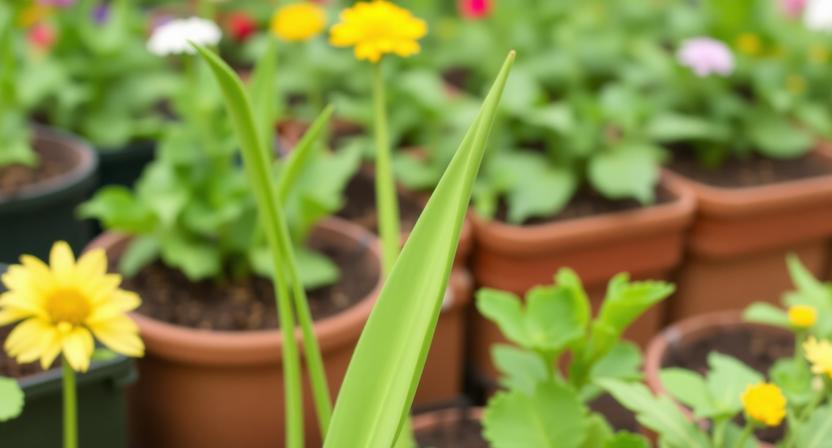
Starting Your Spring Garden from Scratch? Your Local Nursery is Your First Stop
As early spring breathes new life into the world, many of us feel an undeniable urge to connect with nature and cultivate something beautiful. If you’ve been dreaming of a vibrant flower bed, a bountiful vegetable patch, or a serene green space, this season is the perfect time to turn that dream into a reality. For anyone embarking on the rewarding journey of starting spring garden local nursery experts are an invaluable resource, offering far more than just plants. This guide will walk you through why your local nursery should be your very first stop, providing the foundational knowledge and supplies you need for a truly successful new garden, all discoverable through RootedIndex.com.
Why Begin Your Garden Journey at a Local Nursery?
When you’re starting a garden from the ground up, the right guidance can make all the difference between frustration and flourishing success. Local plant nurseries offer distinct advantages that big box stores simply can’t match, particularly for new gardeners.
Personalized, Region-Specific Expertise
One of the most significant benefits of starting spring garden local nursery advice can provide is their unparalleled regional knowledge. Staff members are often seasoned gardeners themselves, deeply familiar with your local climate, soil types, and even specific microclimates within your area. They understand the nuances of your USDA Hardiness Zone, average frost dates, and which plants genuinely thrive in your community. This means you receive tailored recommendations on everything from the best-suited plant varieties to optimal planting times and effective, localized care strategies, ensuring your new garden gets the strongest possible start.
Healthy, Acclimated Plants
Plants from local nurseries are typically sourced from regional growers or grown on-site. This means they are already acclimated to your local environmental conditions, significantly reducing the “transplant shock” that plants often experience when moved from distant nurseries or different climates. You’ll find healthier, more robust plants with strong root systems, ready to establish quickly in your garden. This superior quality leads to more vigorous growth and a higher success rate for your precious new plantings.
Comprehensive Supplies and Sustainable Practices
Beyond the plants themselves, local nurseries are often a one-stop shop for all your gardening needs. They stock high-quality soil amendments, organic fertilizers, durable tools, and specialized supplies that are chosen for their effectiveness in your local area. Many also champion sustainable practices, offering native plants, organic pest control solutions, and advice on water-wise gardening, contributing to both your garden’s health and the local ecosystem. This holistic approach makes them an ideal partner for environmentally conscious gardeners.
Phase 1: Planning Your New Spring Garden
Before you dig your first hole, a little planning goes a long way. Your local nursery can be a great resource even at this initial stage.
Assess Your Space and Sun Exposure
Walk around your yard and observe how sunlight hits different areas throughout the day. Most vegetables and many flowering plants need at least 6-8 hours of direct sun. Sketch out your garden beds, noting areas of full sun, partial shade, and full shade. This understanding is foundational for selecting the right plants. Your nursery staff can help you decipher what “full sun” truly means for a plant.
Understand Your Soil
Healthy soil is the bedrock of a thriving garden. If you’re starting from scratch, it’s worth getting a soil test done. Many local agricultural extension offices offer affordable soil testing that reveals your soil’s pH and nutrient levels. Your local nursery can help you interpret these results and recommend the best organic compost, aged manure, or other amendments to create ideal growing conditions. According to the USDA Natural Resources Conservation Service, understanding and nurturing your soil is key to long-term garden success.
Envision Your Design
What kind of garden do you dream of? A formal vegetable patch, a wild cottage garden, or a low-maintenance native landscape? Consider how pathways, seating areas, and plant heights will interact. Many local nurseries offer design consultations or can connect you with local landscape designers who can help bring your vision to life. They can also advise on space-saving techniques like raised beds or vertical gardening.
Phase 2: What to Plant Now for a Fresh Start
Once your beds are planned and prepped, it’s time for the exciting part: planting! Early spring offers a fantastic window for many plants.
Cool-Season Vegetables and Herbs
These plants thrive in the milder temperatures of early spring and can be planted a few weeks before your last average frost date. Look for robust starts of lettuce, spinach, kale, Swiss chard, radishes, carrots, and peas. Your local nursery will have a great selection of these cool-season crops, often advising on specific varieties that perform well in your immediate area. Herbs like parsley, cilantro, dill, and chives are also perfect for planting now.
Early-Blooming Flowers
For instant color and to attract early pollinators, choose cold-tolerant annuals and perennials. Pansies, violas, primroses, and snapdragons are excellent choices for beds and containers. For perennials that will return year after year, consider hellebores, bleeding hearts, or early varieties of iris. Your nursery can show you options that will tolerate cooler spring nights.
Native Plants for Easy Care & Local Wildlife
If you’re truly starting from scratch, integrating native plants is a smart move. These plants are uniquely adapted to your local environment, requiring less water, fertilizer, and pest control once established. They also provide crucial habitat and food sources for local pollinators and birds. Ask your local nursery for recommendations on native wildflowers, shrubs, and even trees that will flourish in your specific soil and light conditions. The Audubon Society offers fantastic resources on selecting native plants by zip code.
Phase 3: Essential Tools and Supplies for New Gardeners
Beyond plants, your local nursery has all the foundational supplies you’ll need to nurture your new garden.
Intro sentence for the list.
- Quality Hand Tools: Invest in a good trowel, hand pruners, and a weeding tool. Durable tools make gardening more enjoyable and efficient.
- Watering Equipment: A quality watering can or a soaker hose system, recommended by your nursery, will ensure your new plants get the right amount of moisture.
- Soil Amendments & Mulch: Beyond basic soil, you’ll need compost and a good organic mulch (like shredded bark or straw) to enrich the soil, suppress weeds, and retain moisture.
- Containers & Pots: If you’re container gardening, choose appropriate sizes and materials. Your nursery will have a wide selection.
- Organic Pest Control: Ask about environmentally friendly options for deterring common spring pests, from insecticidal soaps to beneficial insects.
Practical Tips for Your First Spring Garden
As you embark on this exciting journey, keep these simple guidelines in mind.
Intro sentence for the list.
- Start Small: Don’t try to tackle too much at once. A small, well-maintained garden is more rewarding than a large, overwhelming one.
- Read Plant Tags: Always pay attention to labels for sun exposure, mature size, and watering needs.
- Water Consistently: New plants need regular, deep watering to establish strong root systems.
- Mulch, Mulch, Mulch: It’s your best friend for weed suppression and moisture retention.
- Don’t Be Afraid to Ask: Your local nursery staff are there to help! Leverage their knowledge whenever you have a question or concern.
Frequently Asked Questions
When is the absolute safest time to plant most things in spring?
Generally, after your region’s last average frost date. For tender plants like tomatoes, peppers, and basil, it’s best to wait until nighttime temperatures consistently stay above 50°F (10°C). Your local nursery can provide the precise last frost date for your area.
What’s the best way to get rid of weeds in a new garden bed?
For new beds, manual weeding is often the most effective. Once planted, applying a 2-4 inch layer of organic mulch will significantly suppress new weed growth. Your local nursery can recommend effective weeding tools and mulching materials.
Should I fertilize my new plants right after planting?
If you’ve amended your soil with good quality compost, immediate fertilization is often not necessary and can sometimes harm delicate new roots. Most plants get sufficient nutrients from well-prepared soil for the first few weeks. Your local nursery can advise on appropriate organic fertilizers and timing if additional feeding is needed for specific plants or soil conditions.
Your Spring Garden Awaits: Start Local, Grow Strong
There’s immense satisfaction in watching a garden grow, especially one you started from scratch. This spring, empower your gardening journey by making your starting spring garden local nursery experts your trusted advisors. Their personalized expertise, high-quality plants, and comprehensive supplies are the secret ingredients to a flourishing landscape and a truly rewarding experience.
Ready to dig in and create your dream garden? Discover trusted local plant nurseries, garden centers, and landscaping services by searching the RootedIndex directory. Start local, grow strong, and enjoy the beauty of your spring garden!