
Choosing the Right Local Plant Nursery: Your Guide to Spring Gardening Success
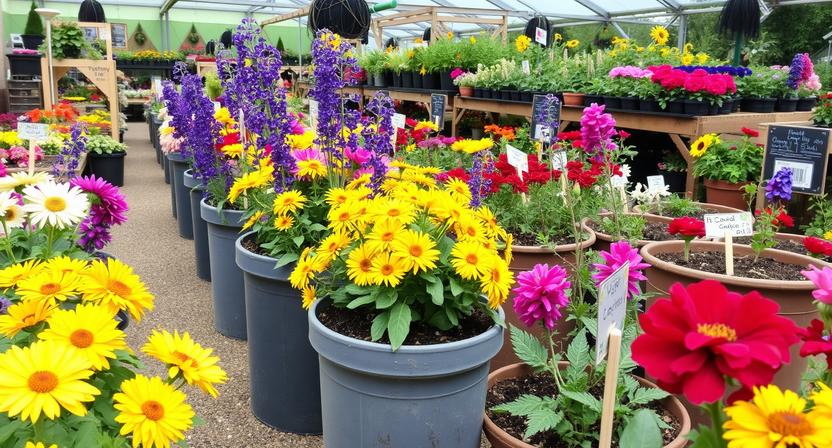
Choosing the Right Local Plant Nursery: Your Guide to Spring Gardening Success
As early spring ushers in warmer weather and the promise of longer days, gardeners everywhere feel the irresistible pull to get outside and bring their green spaces to life. Whether you’re planning a vibrant flower bed, a productive vegetable patch, or a serene native plant landscape, the foundation of your success often begins with where you buy your plants and seek your advice. This season, the key to cultivating a thriving garden lies in diligently choosing local plant nursery spring options that align with your specific needs. Forget the generic selections; this guide will help you understand what makes a local nursery invaluable and how to find the perfect one for your spring gardening ambitions through RootedIndex.com.
Why the Right Local Plant Nursery Makes All the Difference This Spring
The decision of where to purchase your seeds, seedlings, and shrubs profoundly impacts your gardening journey. Local plant nurseries offer a unique blend of expertise, quality, and community support that is simply unmatched by larger retail chains, making them a crucial partner for your spring projects.
Personalized Guidance for Your Specific Garden
One of the most significant advantages of choosing local plant nursery spring and beyond is the access to highly specialized, regional knowledge. Staff at these nurseries are often experienced horticulturists or passionate gardeners themselves, deeply familiar with your local climate, soil conditions, and the common challenges like pests or diseases specific to your area. They can offer tailored advice on everything from the best varieties that thrive in your USDA Hardiness Zone to optimal planting times and organic care strategies. This personalized attention ensures you’re making informed decisions that are perfectly adapted to your unique microclimate, dramatically increasing your chances of success.
A Curated Selection of Healthy, Adapted Plants
Local nurseries typically prioritize the health and vitality of their plant stock. They often source plants from smaller, regional growers, meaning the plants haven’t endured the stress of long-distance shipping or warehouse storage. This results in healthier, more robust plants with strong root systems that are already acclimated to your local environmental conditions. They experience less transplant shock and are better equipped to establish quickly and thrive in your garden. You’ll also discover a more diverse and often unique selection, including heirloom varieties, specialty cultivars, and a strong emphasis on native plants, which are crucial for supporting local ecosystems and biodiversity, as highlighted by organizations like the National Wildlife Federation.
Supporting Local and Sustainable Practices
When you choose a local plant nursery, you’re not just buying plants; you’re investing in your community. These businesses create local jobs, often support local growers, and contribute to the unique character and economy of your town. Many independent nurseries are also champions of sustainable gardening, promoting organic options, offering native species, and educating customers on environmentally friendly practices. This commitment to local sourcing and sustainability benefits both your garden and the wider environment, fostering a healthier, more vibrant community.
What to Look for When Choosing Your Local Plant Nursery
To ensure you’re making the best choice, keep these criteria in mind as you explore the local nurseries in your area this spring.
Knowledgeable Staff and Exceptional Customer Service
The expertise of the staff is paramount. When you visit, engage with them. Are they friendly and approachable? Do they ask questions about your gardening experience and specific needs? Can they confidently answer questions about plant hardiness, soil types, and pest control for your region? A truly great nursery fosters a welcoming environment where you feel comfortable seeking advice and learning. This human connection is a key differentiator from larger stores.
Diversity and Quality of Plant Stock
Observe the overall health of the plants. Look for vibrant foliage, strong stems, and no signs of pests or disease. A well-maintained nursery will have a clean, organized appearance. Beyond general health, consider the variety. Do they offer a wide range of annuals, perennials, vegetables, herbs, trees, and shrubs? Does their selection include native plants, drought-tolerant options, or plants suited for specific conditions like shade or wet areas? A diverse, high-quality inventory ensures you’ll find exactly what you need.
Range of Services Beyond Just Plants
The best nurseries often provide more than just plants. They might offer:
- Quality Soil Amendments: High-grade compost, organic fertilizers, specific soil mixes for different plants.
- Gardening Tools & Supplies: Durable hand tools, watering cans, pots, trellises, and pest control solutions.
- Educational Resources: Workshops, classes, or detailed care sheets for various plants.
- Design Consultations: Some nurseries have staff who can help with garden design or connect you with local landscapers for larger projects.
These additional services make a local nursery a comprehensive resource for all your gardening needs, as noted by the AmericanHort organization, which supports the industry.
Your Spring Garden Checklist: What to Ask & What to Plant Now
Once you’ve found a promising nursery, here’s how to maximize your visit and get your garden ready for spring.
Intro sentence for the list.
- Confirm Your Last Frost Date: Ask the nursery staff for your specific region’s last average frost date. This is crucial for knowing when it’s safe to plant tender annuals and vegetables outdoors.
- Inquire About Cool-Season Crops: Ask for advice on what vegetables and herbs you can plant now, such as lettuce, spinach, kale, radishes, peas, and parsley. Many of these thrive in cooler spring temperatures.
- Explore Early-Blooming Flowers: Discuss colorful annuals like pansies, violas, and primroses, or perennials like hellebores and bleeding hearts that can withstand cooler spring weather and provide immediate color.
- Prioritize Native Plants: Ask for recommendations on native trees, shrubs, and wildflowers suitable for your soil and sun conditions. These are low-maintenance and support local wildlife.
- Get Soil Amendment Advice: Discuss your garden’s soil. The nursery can recommend the best compost, organic fertilizers, or soil conditioners to prepare your beds for planting.
Practical Tips for Your Nursery Visit
To make the most of your time and ensure a successful shopping experience this spring:
Intro sentence for the list.
- Bring Photos & Measurements: Have pictures of your garden beds and rough measurements. This helps staff visualize your space and recommend appropriate plants.
- Wear Comfortable Shoes: You’ll likely be doing a lot of walking and browsing.
- Go During Off-Peak Hours: If possible, visit during weekdays or earlier in the morning to get more dedicated attention from staff.
- Bring a List (and an Open Mind): Have a plan, but be open to discovering new plants or receiving expert suggestions you hadn’t considered.
- Check for Return Policies: Understand their policies on plant guarantees or returns in case something doesn’t thrive.
Frequently Asked Questions
How do I know if a plant is healthy when I’m buying it?
Look for vibrant, uniformly green leaves (unless it’s a variegated variety) without yellowing, brown spots, or holes. Check under leaves for pests. The plant should be firm, not wilting, and if possible, gently check the roots – they should be light-colored and fill the pot without being overly dense or mushy.
Are local nurseries generally more expensive than big box stores?
While some specialty plants might carry a slightly higher price tag, the difference is often offset by the superior quality, personalized expert advice, and higher success rate you’ll achieve. The long-term savings from healthier plants, reduced pest issues, and tailored guidance often make local nurseries a more economical choice in the long run.
Can I bring my own pots for repotting at the nursery?
It’s always a good idea to ask. Some nurseries may not allow outside pots due to pest or disease concerns, while others might appreciate it as an eco-friendly practice. It’s best to call ahead or check their policy upon arrival.
Cultivate Success and Community This Spring
This spring, make a conscious and informed decision by choosing local plant nursery spring options that align with your gardening goals. The personalized guidance, superior plant quality, and commitment to local sustainability offered by independent nurseries are invaluable for creating a garden that truly flourishes. Embrace the season of new beginnings by connecting with the passionate horticulturalists in your community who are dedicated to helping your green dreams come to life.
Ready to find the perfect plants and expert advice for your garden? Discover trusted local plant nurseries, garden centers, and landscaping services by searching the RootedIndex directory. Grow with confidence and local pride this season!