
Your Spring Plant Buying Guide: Why Local Nurseries Are Essential for a Thriving Garden
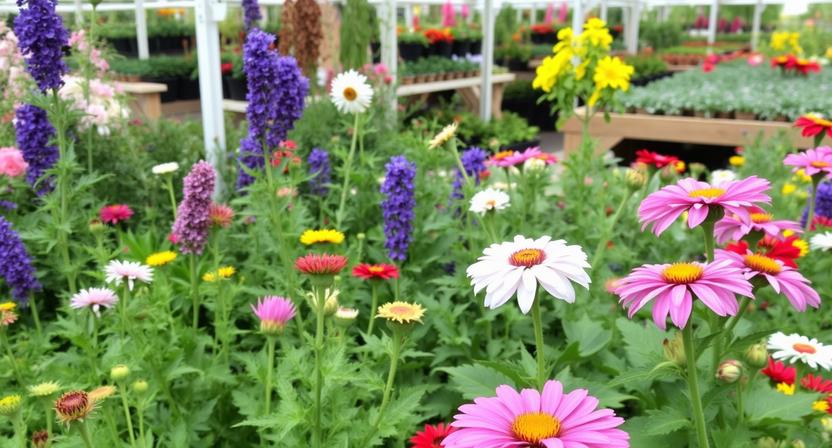
Your Spring Plant Buying Guide: Why Local Nurseries Are Essential for a Thriving Garden
As early spring arrives and the soil begins to warm, the irresistible urge to garden takes hold. This season of renewal is the perfect time to plan, plant, and prepare for months of beautiful blooms and bountiful harvests. To truly set your garden up for success, a knowledgeable spring plant buying guide local nursery experts can provide is indispensable. Beyond the convenience of big box stores, your local nurseries offer unparalleled regional expertise, a diverse selection of healthy plants, and a deep-rooted connection to your community that can transform your gardening experience.
Why Your Local Nursery is the Ultimate Spring Buying Destination
Choosing where to purchase your plants is as crucial as choosing the right plants themselves. Local plant nurseries stand out as superior resources for several compelling reasons, making them an essential stop in your spring gardening journey. Their commitment goes beyond mere transactions, fostering a relationship that helps your garden thrive.
Unrivaled Local Expertise and Personalized Advice
Unlike large retail chains, staff at local nurseries are often experienced horticulturists or passionate gardeners with intimate knowledge of your specific climate, soil conditions, and common regional challenges. They understand your USDA Hardiness Zone, the average frost dates, and which plant varieties are truly best adapted to your area. This means you receive personalized, expert advice on everything from ideal planting times and pest prevention to proper watering and care specific to your microclimate. This tailored guidance is invaluable, especially for new gardeners navigating the nuances of their local environment.
Superior Plant Health and Acclimation
Plants sourced from local nurseries are typically grown regionally or by smaller, independent growers. This means they haven’t endured the stress of long-distance shipping or warehouse storage, which can compromise plant health. Consequently, you’re buying healthier, more robust plants with strong root systems that are already acclimated to your local conditions. This significantly reduces transplant shock and increases their chances of thriving in your garden from day one, leading to more vigorous growth and abundant yields. According to the USDA Agricultural Marketing Service, proper plant handling and localized sourcing are critical for quality.
Diverse and Unique Plant Selection
Local nurseries often boast a more diverse and exciting selection of plants than you’ll find at mass-market retailers. This includes unique heirloom varieties, specialty cultivars, and a strong emphasis on native plants perfectly suited to your local ecosystem. This allows you to create a garden that is truly distinctive, supports local wildlife, and contributes to regional biodiversity. You might discover rare herbs, unusual flowering shrubs, or vegetables with exceptional flavor profiles you never knew existed, all nurtured with care.
Spring Plant Buying Guide: What to Look for and What to Plant Now
Navigating the vibrant aisles of a local nursery can be exciting. This guide will help you choose the best plants for your spring garden and understand why sourcing them locally makes all the difference.
Cool-Season Vegetables: Get a Head Start on Your Edible Garden
Early spring is prime time for planting vegetables that prefer cooler temperatures before the summer heat kicks in.
- What to Look For: Healthy, compact starts with vibrant green leaves and no signs of yellowing or pest damage. Avoid leggy (tall and spindly) plants.
- What to Plant Now: Lettuce, spinach, kale, Swiss chard, radishes, peas, carrots, beets, and broccoli are excellent choices.
- Why Buy from Local Nursery: They offer varieties specifically adapted to your growing season, often have organic options, and can advise on precise planting dates for your area to maximize harvest. They can also share tips on companion planting for better yields.
Vibrant Annuals: Instant Color for Containers and Beds
Annuals provide immediate cheer and color, perfect for refreshing patios, window boxes, and garden beds.
- What to Look For: Plants with plenty of healthy buds (not just open flowers), strong stems, and pest-free foliage.
- What to Plant Now: Pansies, violas, primroses, snapdragons, and osteospermum (African daisies) can tolerate early spring’s cooler temperatures. As the weather steadily warms, petunias, impatiens, and marigolds become excellent choices.
- Why Buy from Local Nursery: Discover unique color combinations and varieties not found elsewhere. Staff can help you choose plants that will thrive in your specific sun exposure and recommend eco-friendly pest solutions for continuous blooming.
Perennials and Shrubs: Investing in Long-Term Beauty
Perennials return year after year, forming the backbone of your garden, while shrubs add structure and lasting interest.
- What to Look For: Strong, well-developed root systems (gently slide out of the pot to check), healthy foliage, and appropriate labeling for mature size and care needs.
- What to Plant Now: Hostas, bleeding hearts, early-blooming hydrangeas, azaleas, peonies, and various native shrubs establish well in spring.
- Why Buy from Local Nursery: They stock plants that are truly hardy for your zone, offer planting and care advice for long-term success, and can help you select native shrubs that will benefit local wildlife. According to the Audubon Society, choosing native shrubs provides crucial food and shelter for birds and insects.
Herbs: Fragrance and Flavor for Your Kitchen and Garden
Herbs are easy to grow and add a sensory delight to any garden space, as well as fresh culinary ingredients.
- What to Look For: Compact, bushy growth, strong scent, and no signs of wilting or pest damage.
- What to Plant Now: Parsley, cilantro, dill, chives, mint, and oregano are excellent choices for early spring. Basil and rosemary can be added as temperatures consistently rise.
- Why Buy from Local Nursery: Access to fresh, often organic starts, and advice on which herbs thrive together or are best suited for container gardening on a sunny patio.
Native Plants: Supporting Local Ecosystems
Integrating native plants is one of the most impactful decisions you can make for a sustainable, low-maintenance, and wildlife-friendly garden.
- What to Look For: Healthy specimens of species identified as native to your specific region (ask nursery staff).
- Why Buy from Local Nursery: Local nurseries are often the best source for true native plants, ensuring genetic authenticity and regional adaptation. They can guide you on specific species that attract local pollinators, provide food for birds, and require minimal intervention once established, making your garden a hub for local biodiversity.
Essential Tips for a Successful Spring Planting Trip to the Nursery
To ensure you get the most out of your visit to local plant nurseries spring season, keep these practical tips in mind.
Intro sentence for the list.
- Know Your Garden: Come prepared with information about your garden’s sun exposure (full sun, partial shade, full shade), soil type, and any specific challenges you face.
- Measure Your Space: Have a rough idea of the dimensions of your garden beds or the size of pots you intend to fill. This helps prevent overbuying or choosing plants that will outgrow their space.
- Ask for Zone Specifics: Always confirm with staff that your chosen plants are suitable for your USDA Hardiness Zone and microclimate.
- Don’t Be Afraid to Engage: The staff are there to help! Ask questions, describe your vision, and take advantage of their wealth of knowledge.
- Bring a Wagon or Cart: Many nurseries provide these, but if you have a large shopping list, having your own might be helpful for transport from car to garden.
Frequently Asked Questions
What is my last average frost date and why is it important for spring planting?
Your last average frost date is the approximate day after which there’s a very low probability of frost in your area. It’s crucial because many tender plants (like tomatoes and basil) will be damaged or killed by frost. Your local nursery or extension office can provide this specific date for your region.
How do I know if a plant is root-bound at the nursery?
Gently slide the plant out of its pot. If the roots are a solid, dense mass circling tightly around the bottom and sides of the soil, it’s root-bound. While not always fatal, these plants will require more care and might take longer to establish.
Should I fertilize my new spring plantings right away?
Typically, if your soil has been amended with good quality compost, immediate fertilization isn’t necessary. Over-fertilizing can harm new plants. Your local nursery can recommend appropriate organic fertilizers and a schedule if your soil test indicates a need, or if you’re growing heavy feeders.
Cultivate a Thriving Garden with Local Care This Spring
This spring, elevate your gardening journey by making your spring plant buying guide local nursery sourced advice your go-to strategy. The personalized expertise, superior plant health, and unique selection you’ll find at independent nurseries are invaluable for creating a garden that truly flourishes. Embrace the season of new beginnings by connecting with the passionate horticulturalists in your community who are dedicated to helping your green dreams come to life.
Ready to find the perfect plants and expert advice for your garden? Discover trusted local plant nurseries, garden centers, and landscaping services by searching the RootedIndex directory. Grow something beautiful and support local this season!